If Athletics is your thing, then take a look at this information in case you would like to enter:

More info and to register : www.trackacademy.co.uk
N.B. This is not a school related event

If Athletics is your thing, then take a look at this information in case you would like to enter:
More info and to register : www.trackacademy.co.uk
N.B. This is not a school related event
Sharing on behalf or Nexus and Enfield Council;
Father 2 Father show on YouTube on 1st July – watch the video clip to find out more;



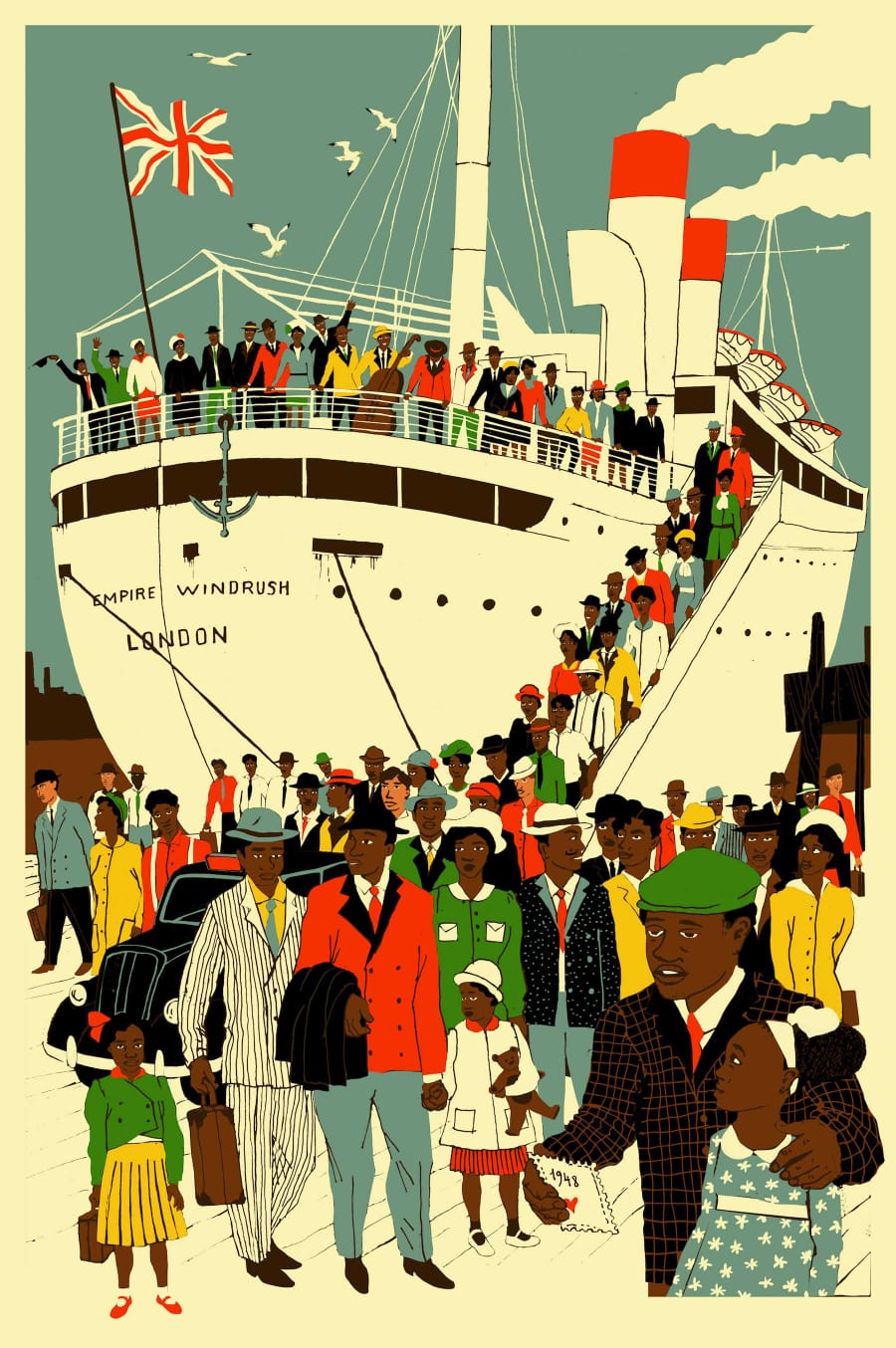
Windrush Day marks the anniversary of the arrival of MV Empire Windrush at the port of Tilbury , near London, on 22nd June 1948. Those who arrived on the Empire Windrush, their descendants and those who followed them, have made and continue to make an enormous contribution to Britain.
The day honours the British Caribbean community, and the half a million people who travelled to the UK after the Second World War. The first Windrush Day was held on June 22 2018. More people than ever before are taking part this year to support the Windrush Generation, and show sympathy with the hardships they have endured.
More Info: www.windrushday.org.uk
Watch the following video: The Empire Windrush arrived in Britain 70 years ago, carrying passengers from the Caribbean and from Poland. They were invited by Britain to assist with post-war reconstruction.
Remember: Tant Que Je Puis!

Today is the longest day of the year!
“Solstice” (Latin: “solstitium”) means sun-stopping
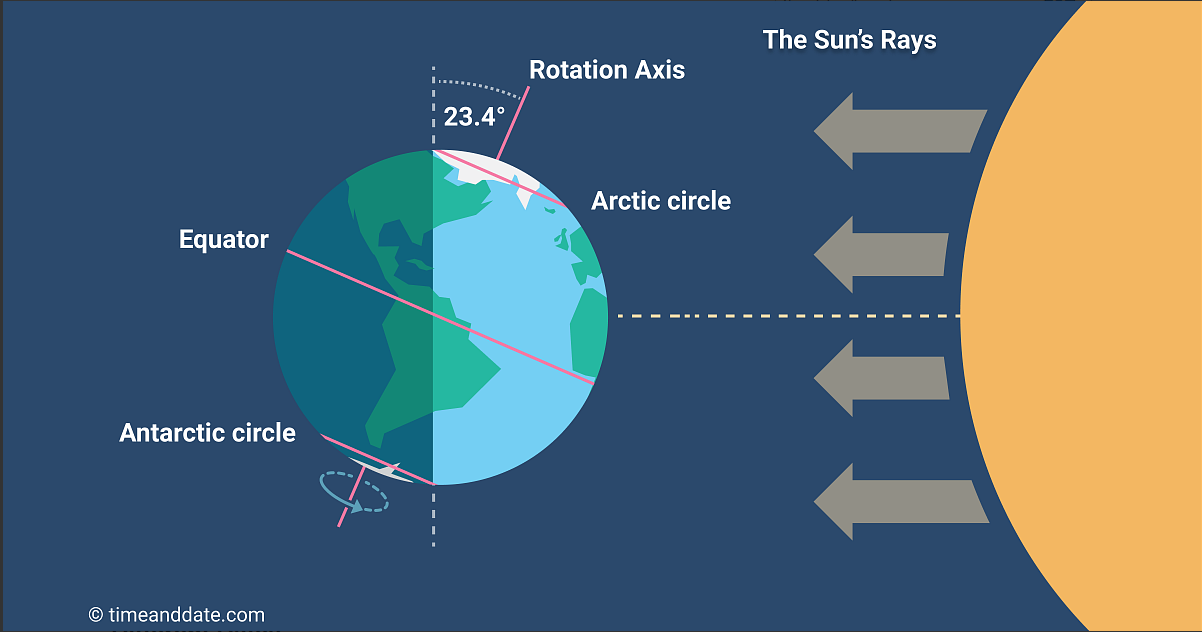
The summer solstice occurs when the Earth’s tilt towards the sun is at it’s maximum and the sun reaches it’s highest position in the sky and is directly above the Tropic of Cancer.
The Solstice is the beginning of the astronomical summer in the Northern Hemisphere.
It ends with the autumn equinox on September 22.
Solstice marks almost equal duration of day and night as the Sun crosses the Line of Equator and moves over the Northern Hemisphere.
On June solstice, the Earth is positioned is a way that the North Pole tilts towards the Sun.
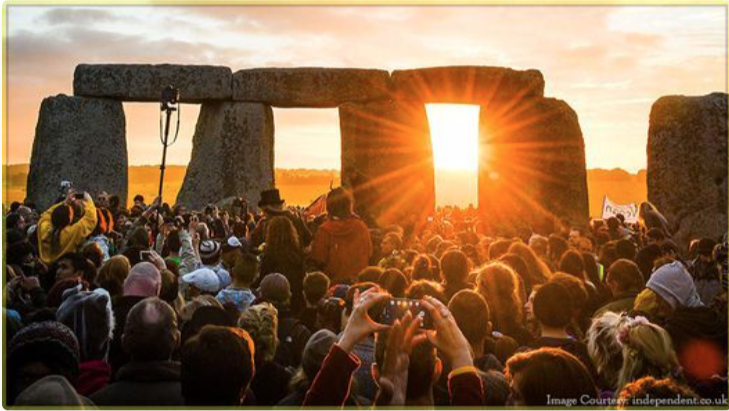
Traditionally, to mark the arrival of summer in the UK, people gather at Stonehenge, in Wiltshire, to see the sun rise. The Heel Stone and Slaughter Stone, set outside the main circle align with the rising sun. Many historians say, Stonehenge, a prehistoric monument in England, is an evidence of humans using June Solstice as a way of setting the time of the year.
Stonehenge in Amesbury, Wiltshire is the most popular place for Pagans to celebrate the longest day because it famously aligns to the solstices. The rising sun only reaches the middle of the stones one day of the year when it shines on the central altar.
Built in three phases between 3,000 B.C. and 1,600 B.C Stonehenge’s exact purpose still remains a mystery. The stones were brought from very long distances – the bluestones from the Preseli Hills more than 150 miles away, and the sarsens probably from the Marlborough Downs, 19 miles to the north.
The day marks the ancient middle of summer. It has significance for pagans who have always believed that midsummer day holds a special power.
Midsummer’s eve was believed to be a time when the veil between this world and the next is at its thinnest, and when fairies were though to be at their most powerful.
Over the centuries, the June solstice has inspired many festivals and midsummer celebrations involving bonfires, picnics, singing, watching the sun rise and Maypole dancing. Many towns and villages across Britain still mark the day.
“In ancient China, the Summer Solstice was observed by a ceremony to celebrate the Earth, femininity, and the ‘yin’ forces. It complemented the Winter Solstice that celebrated the heavens, masculinity and ‘yang’ forces.”
In Sweden, Denmark, Norway and Finland, Summer Solstice is a time of midsummer night festivities. This is the time when countries near the Arctic enjoy the Midnight Sun.